

<img height="1" width="1" style="display:none;" alt="" src="https://px.ads.linkedin.com/collect/?pid=2274356&amp;fmt=gif">
Skip to content

NEW REPORT: The Self-Adapting Workplace, from VergeSense & WORKTECH Academy Download Now

Search icon
A high-level overview illustration representing global office spaces and workspace analytics.

CUSTOMER STORIES

How a Global Pharmaceutical Company Reclaims 20 Hours Per Day with Booking Automation

  • A stylized icon representing the pharmaceuticals and life sciences industry.
    INDUSTRY:

    Pharmaceuticals / Life Sciences

  • A network deployment icon depicting a phased site-level rollout.
    IMPLEMENTATION:

    Phased Site-level Deployment

  • An icon showing a group of people, representing a large enterprise workforce.
    COMPANY SIZE:

    100,000+ Employees

  • A blueprint layout icon representing workplace design and space planning.
    USE CASE:

    Automated Operations

  • A clock icon highlighting reclaimed meeting time and efficiency gains.
    KEY RESULT:

    20 Hrs Meeting Time Reclaimed Daily

The Challenge

As hybrid work reshaped how teams used the office, this global pharmaceutical company began receiving rising employee complaints about meeting room and focus space shortages. Yet there was no data to validate or disprove these claims.

Space was allocated reactively, often going to whoever pushed hardest, not who needed it most. Post-pandemic sensitivities meant that even half-full offices felt crowded, intensifying the perception of shortage. Without granular usage data, the workplace team was considering expensive expansion.

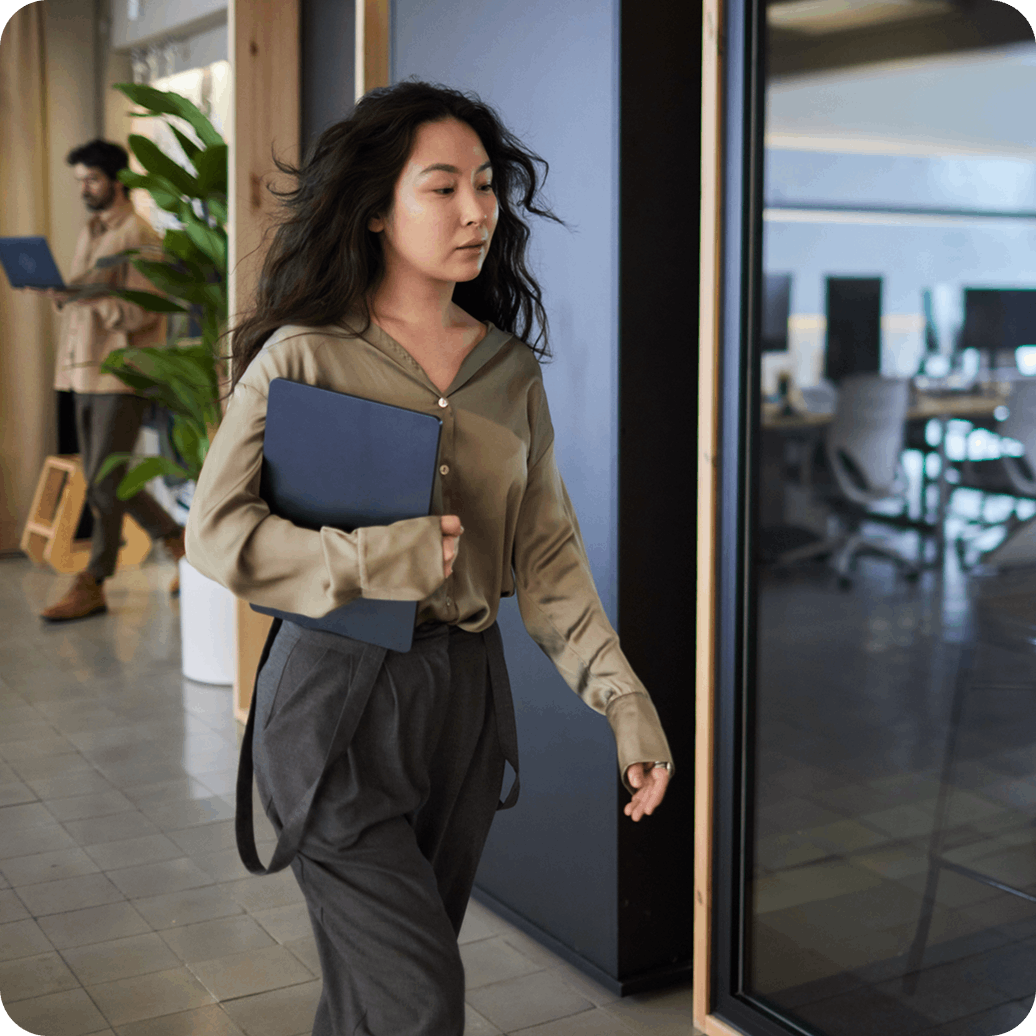
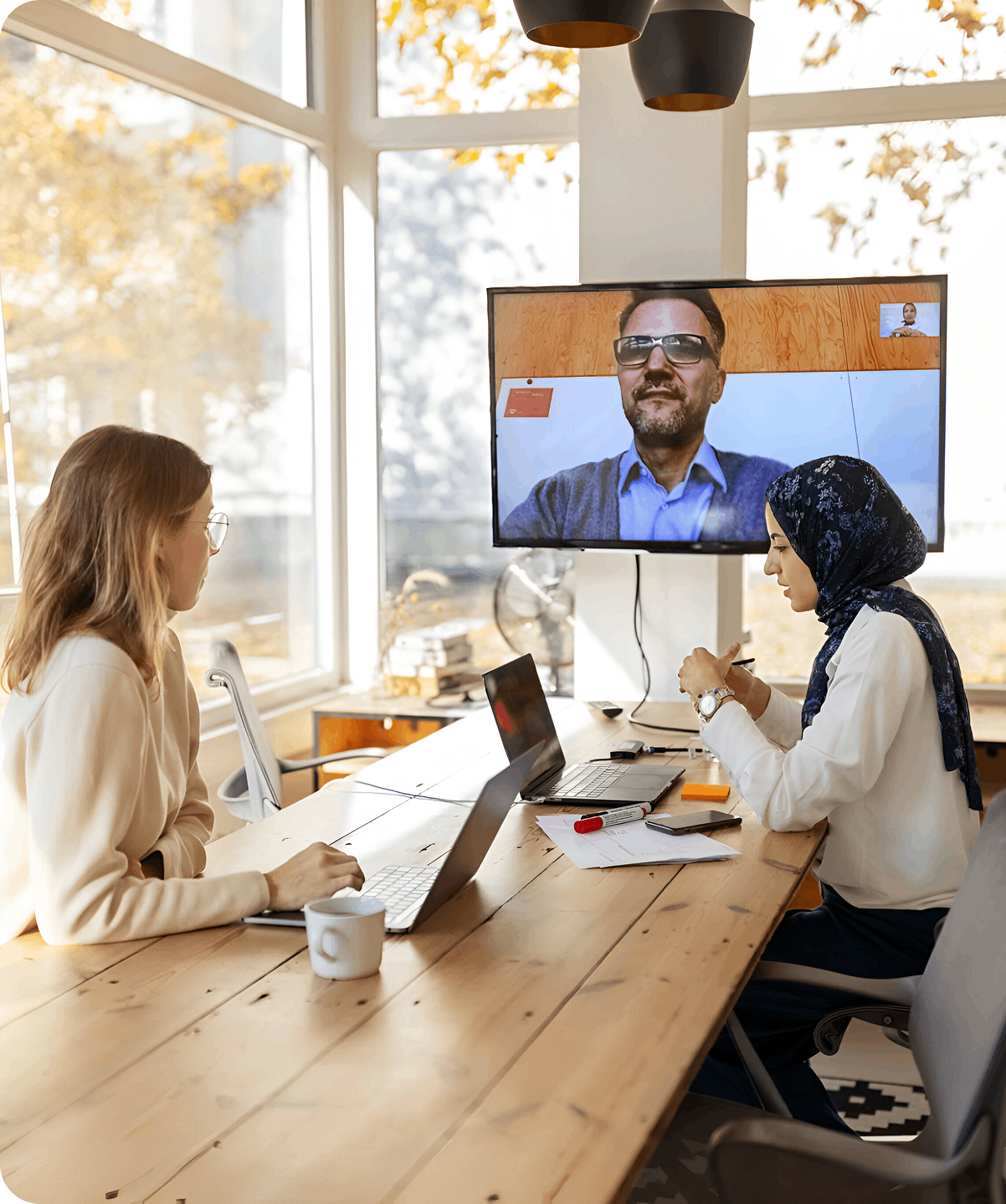
An office area showing meeting rooms and open workstations to illustrate space management challenges.

A secondary view of an office layout highlighting crowded meeting spaces and unutilized areas.

The Solution

The company deployed VergeSense to capture both active and passive occupancy signals. They then built an internal employee experience app powered by VergeSense data that visualized real-time space availability down to individual neighborhoods, enabled ad-hoc meeting room bookings via QR codes, and surfaced live availability information.

Critically, the system automated the release of ghosted or abandoned rooms. When sensors detected that a booked room remained empty past a threshold, the system sent a notification to the booker before releasing the space. This kept employees in control while dramatically increasing availability.

The Results

A clock icon signifying twenty hours of meeting time saved daily.
20 Hrs

Meeting Time Reclaimed Daily

A live sync icon showing real-time space availability updates on a mobile device.
Real-time

Space Availability via Employee App

The automation reclaims 20 hours of meeting time per day, equivalent to freeing 2–3 meeting rooms daily. Employee adoption of the real-time availability app soared once people saw the direct benefit of better space access.

Importantly, the transparent approach to the utility of occupancy data and showing employees exactly how it improved their experience, turned initial skepticism into enthusiastic adoption.

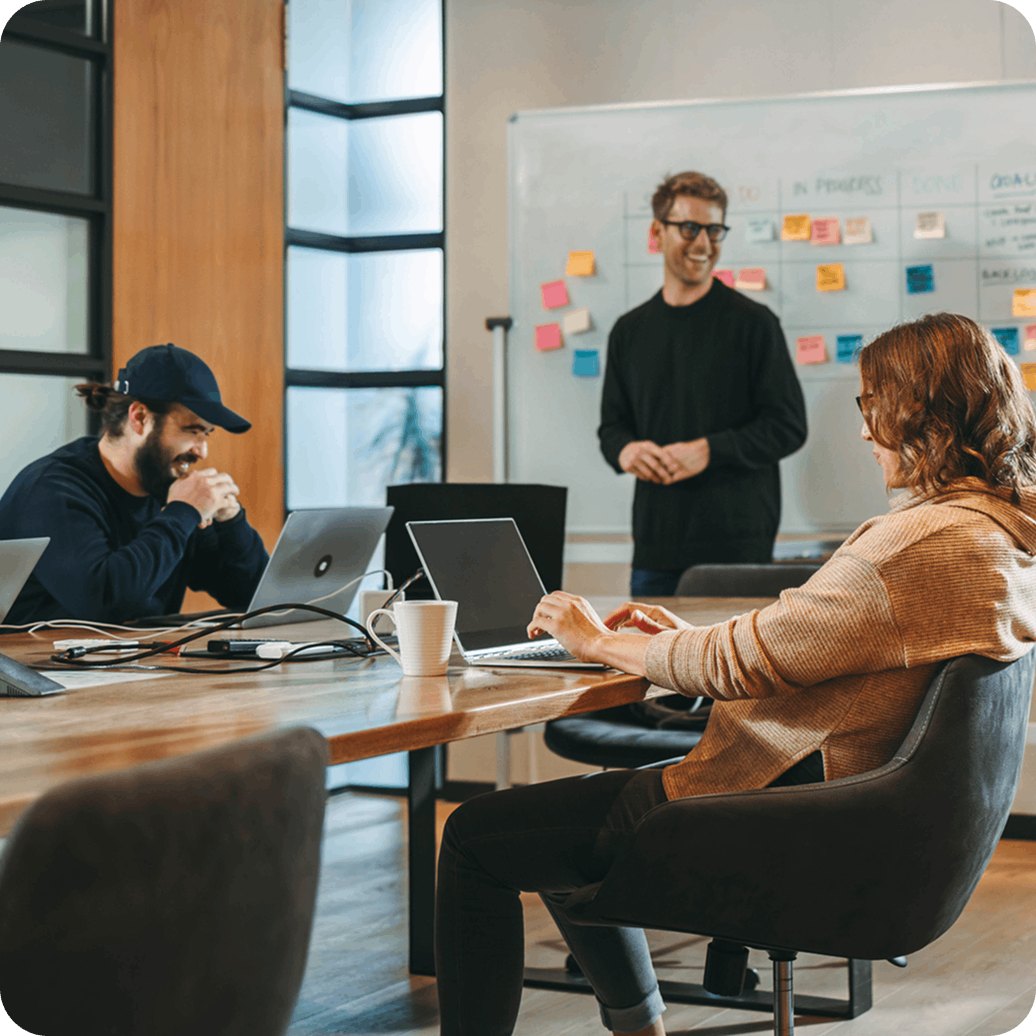
An optimized office space showcasing improved room utilization and active room booking.

Explore Other Resources