
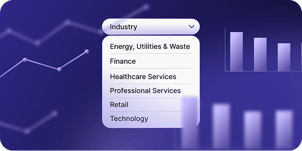



The gap between design intent and design reality is one of the most expensive blind spots in workplace strategy. Fit-outs run $150–$200 per sq ft in major markets, yet the decisions that drive them go untested until people move in: what to build, how many desks to plan for, which floors share demand, whether a proposed conference room ratio will actually hold.
By then, getting it wrong costs you renovations, underused space, and the nagging question of whether Option B would have been better. This month's updates tackle that gap from both directions: better modeling before you commit capital, and smarter automation once people are in the space.
Analyze Risk Thresholds Across Your Building, Floors, and Neighborhoods
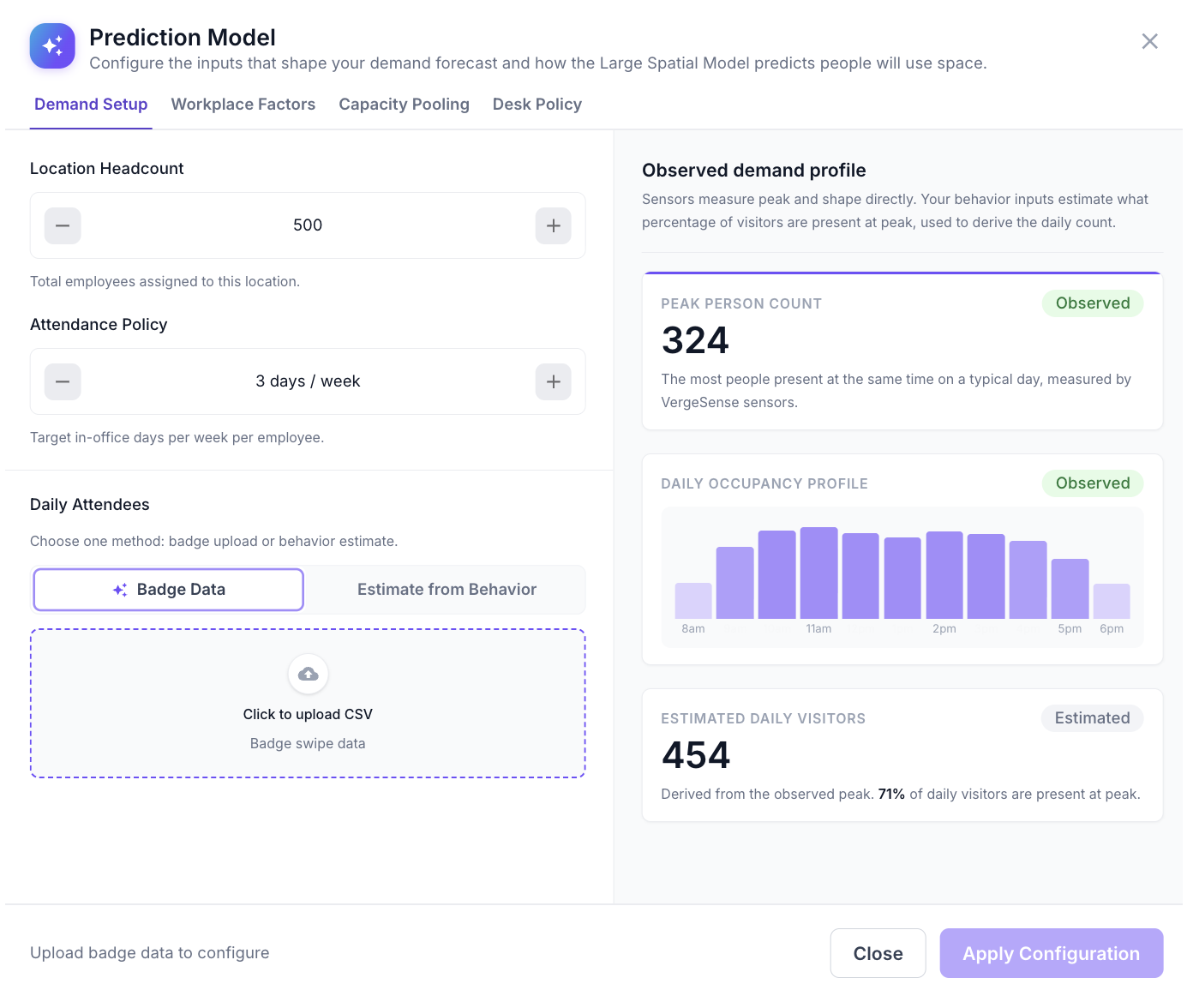
Predictive Planning helps workplace leaders pressure-test space decisions before committing capital, forecasting demand, surfacing capacity risk, and modeling what happens when conditions change.
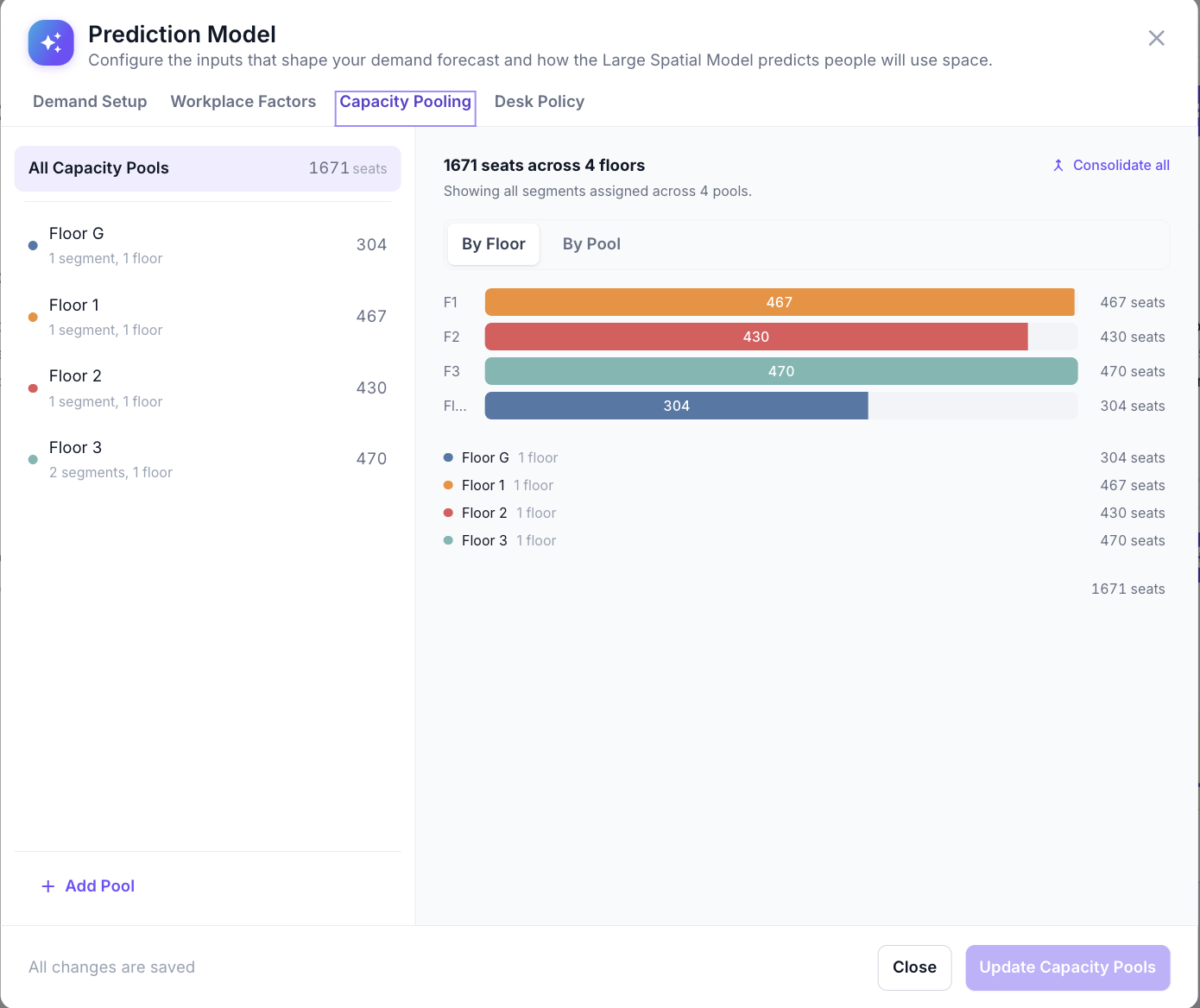
With this month's release, that analysis just got a lot more customizable. You can now model risk thresholds not just floor by floor, but across your entire building or down to individual neighborhoods, giving you visibility into where your space inventory will fall short first, whether that's conference rooms on a single floor or collaboration zones across an entire building.
This is powered by a new feature called Capacity Pooling, which lets you group segments of space into shared capacity pools within a single plan. Each space runs its own forecast and simulation independently. If two floors share demand because teams regularly use space across both, you can pool them together to understand their combined risk profile. If a neighborhood operates on its own, you can pull it out and see where that specific area breaks.
The real value is in the decisions this supports. When your risk thresholds reflect the way your building actually operates, you have a clearer basis for whether to consolidate floors, where to rebalance your space mix, and which neighborhoods need attention.
Integration Spotlight: VergeSense + Appspace
The gap between plans and reality doesn't just show up in long-term space strategy, it plays out every day in your booking system. Rooms get reserved and never used. Spaces get claimed without a booking. The calendar says one thing; the floor says another.
For teams using Appspace as their workplace experience and booking platform, the VergeSense integration bridges that daily gap by connecting real-time occupancy data directly into Appspace's reservation system.
-
How it works: VergeSense sensors detect presence in meeting rooms and at desks anonymously and in real time, without requiring employees to check in manually. That occupancy data flows into Appspace through its native IoT Sensor Framework, where it's evaluated against configurable reservation rules.
-
What it does for you: The integration drives two automations that make a real difference in day-to-day space management. First, when a room or desk is reserved but no one shows up, Appspace automatically releases the booking and returns the space to available inventory. No more conference rooms sitting empty because someone forgot to cancel. Second, it enables auto-book on demand. When VergeSense detects someone using an unbooked space, Appspace can automatically create a reservation, so walk-up usage is captured and the space is properly accounted for.
-
The timing thresholds and automation behaviors are fully configurable within Appspace, so you can align the rules to your organization's policies.
The bigger picture: Booking data tells you what people planned to do. Occupancy data tells you what they actually did. The gap between those two is where wasted space hides. By bridging real-time presence detection with your booking system, you get a more accurate picture of how space is really being used, and your employees get a better experience because available rooms actually show as available.