

Search for topics or resources
Enter your search below and hit enter or click the search icon.
Every quarter, workplace leaders make the same bets: tighter policies will change behavior, inherited floor plans will hold up, and the next leadership change will finally get it right. The data says otherwise.
Join us for a webinar where we'll cover the 2026 Q1 Index is the most comprehensive view of how offices actually functioned in 2025, across 200+ global enterprises, 250,000+ spaces, and 50 countries. This edition names what three years of tightening data has been pointing to: three measurable gaps between what leaders planned and what employees actually experienced.
In this webinar, we’ll show you what we learned about:

Why stricter mandates haven’t moved attendance trends, and what the data shows is actually happening instead

Where the demand for different space types outpaces supply and how that mismatch compounds across the portfolio

How CEO turnover and leadership cycles cascade into the space decisions that affect employees
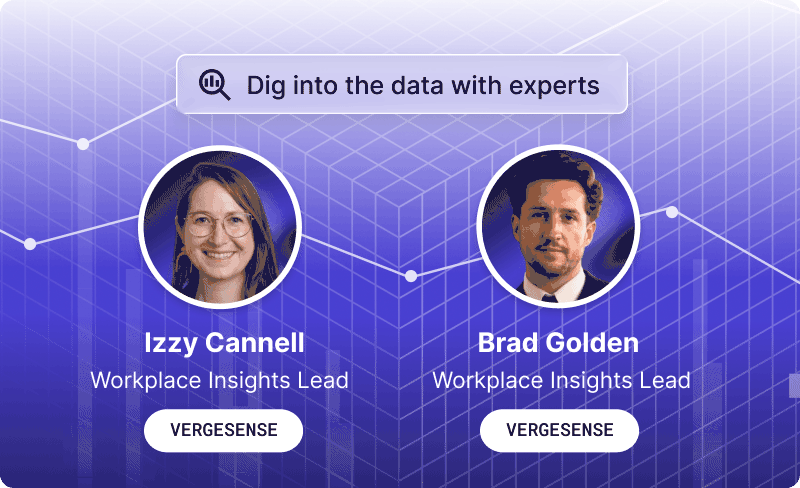
Workplace behavior is changing faster than traditional planning models can keep up. Workplace occupancy and utilization data from last year tells a consistent story: policies got stricter, but offices didn’t get meaningfully fuller. Space plans were built for steady demand, but people compress into the same hours and overflow where they were never meant to go. Leadership turns over, and employees absorb the instability.
If you’re responsible for workplace strategy, real estate planning, space allocation, or portfolio right-sizing, this is the benchmark report you can’t afford to miss.
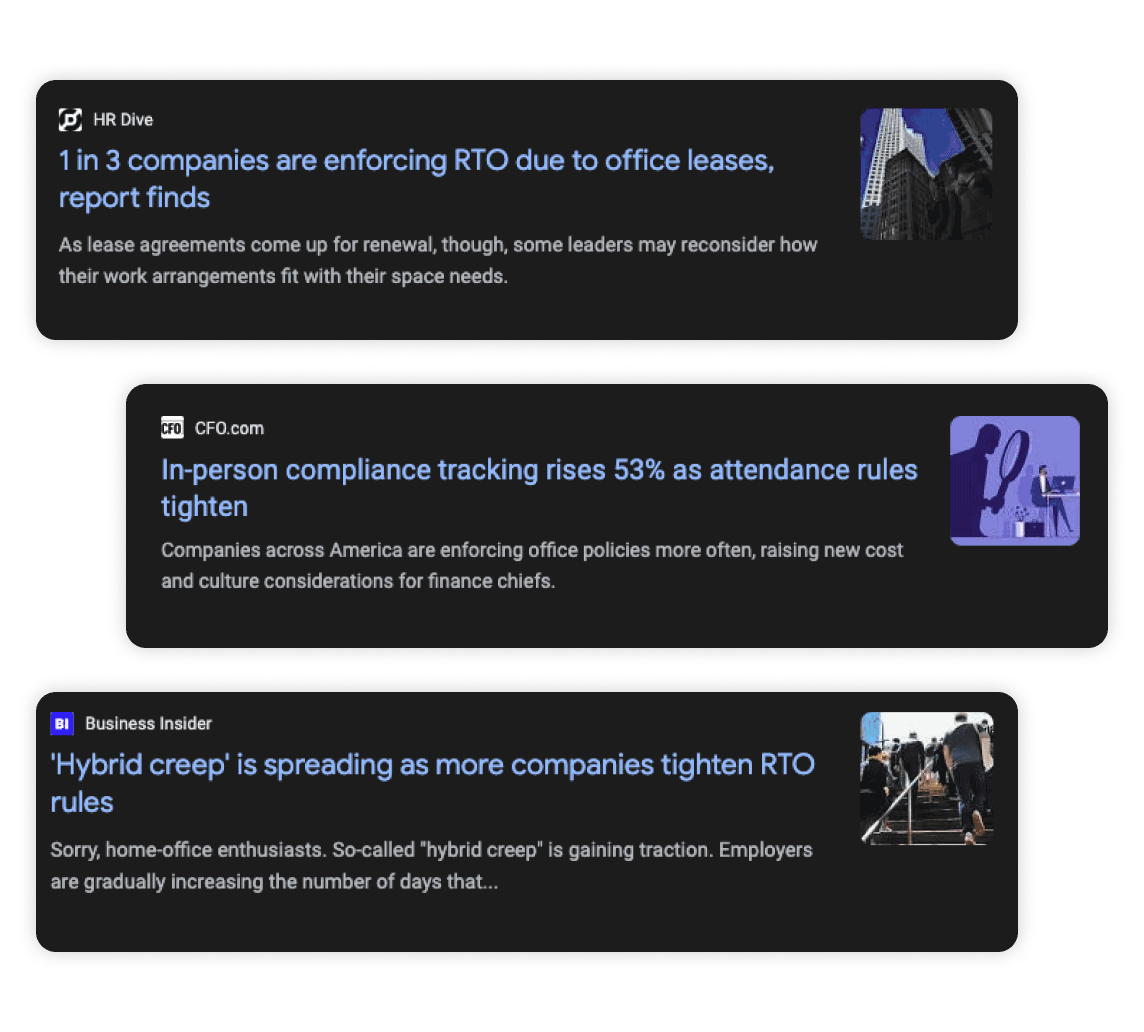

See how your space compares to peers across industries and regions, and where the gaps between planned capacity and actual demand are widest for organizations like yours.
Occupancy data is behavioral data. This report shows the patterns people are following; where they actually go, when, and in what numbers, and what that signal should mean for how you design and plan spaces that genuinely work for humans.
The spaces that feel most broken to employees are often the same ones driving unnecessary cost. Understanding where friction and inefficiency overlap is what separates reactive portfolio decisions from deliberate ones.